0086 574 87739122


.jpg) توسط: ایتان
توسط: ایتان
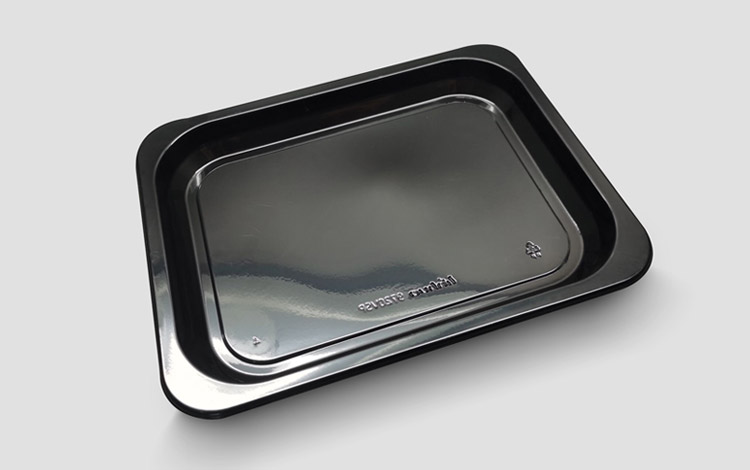
نتیجه واضح این است که سینی CPET در مقایسه با سینی HDPE ثبات شکل قابل توجهی را نشان می دهد تحت شرایط فرآوری مواد غذایی در دمای بالا. هنگامی که در معرض حرارت سطح اجاق یا محیط های شوک حرارتی قرار می گیرد، CPET یکپارچگی ساختاری را حفظ می کند، در حالی که HDPE تمایل به نرم شدن، تغییر شکل دادن یا از دست دادن سفتی دارد. در کاربردهایی مانند a بشقاب سینی غذا CPET به دلیل ساختار متبلور و مقاومت در برابر حرارت بالا، ماده ارجح است که برای وعده های غذایی آماده استفاده می شود و برای گرم کردن مستقیم فر و عملیات چرخه حرارتی بسیار مناسب تر است.
در موارد استفاده عملی شامل سینی های غذا cpet ، این ماده حتی زمانی که در معرض دمای بیش از 200 درجه سانتیگراد قرار می گیرد هندسه ثابتی را حفظ می کند، در حالی که HDPE معمولاً در دماهای بسیار پایین تر شروع به تغییر شکل می کند و کاربرد آن را در محیط های با گرمای بالا محدود می کند.
تفاوت اساسی بین CPET و HDPE در ساختار مولکولی آنها نهفته است. CPET (پلی اتیلن ترفتالات متبلور) از طریق کریستالیزاسیون کنترل شده مهندسی شده است که استحکام و مقاومت حرارتی را افزایش می دهد. HDPE (پلی اتیلن با چگالی بالا)، در حالی که در دمای اتاق قوی است، به دلیل ساختار نیمه کریستالی خود که در دماهای بالا انعطاف پذیر می شود، از همان سطح پایداری حرارتی برخوردار نیست.
CPET معمولاً تا دما را تحمل می کند 220 درجه سانتی گراد ، آن را برای پخت در فر، گرم کردن مجدد و انتقال از فریزر به فر مناسب می کند. در مقابل، HDPE به طور کلی شروع به نرم شدن در اطراف می کند 80-120 درجه سانتیگراد و ممکن است در نزدیکی ذوب شود 130 درجه سانتی گراد . این تفاوت شدید مستقیماً بر پایداری شکل در طول پردازش تأثیر می گذارد.
پایداری شکل یک نیاز حیاتی در محیط های فرآوری مواد غذایی صنعتی است. الف بشقاب سینی غذا برای جلوگیری از نشتی، حرارت ناهموار یا خرابی بسته بندی که در غذاهای آماده در فر استفاده می شود، باید فرم خود را در طول چرخه پخت حفظ کند.
CPET پایداری ابعادی را حتی پس از قرار گرفتن طولانی مدت در معرض حرارت بالا حفظ می کند. در سناریوهای آزمایش، سینی های CPET کمتر از 2-3٪ تغییر شکل بعد از 30 دقیقه در 200 درجه سانتیگراد. این باعث می شود که برای خطوط فرآوری مواد غذایی صنعتی که به هندسه سینی ثابت نیاز دارند ایده آل باشد.
از طرف دیگر سینی های HDPE در دمای بالای 90 درجه سانتی گراد نرم شدن قابل توجهی را نشان می دهند. در شرایط آزمایش مشابه، ساختارهای HDPE می توانند بیش از بیش از آن تغییر شکل دهند 20-40٪ ، آنها را برای کاربردهای مبتنی بر فر نامناسب می کند.
در سیستم های مدرن بسته بندی مواد غذایی، سینی های غذا cpet به طور گسترده برای غذاهای یخ زده، پذیرایی از خطوط هوایی، و غذاهای آماده در فر استفاده می شود. توانایی آنها برای انتقال از ذخیره سازی در فریزر به پخت و پز در دمای بالا بدون تغییر شکل، کارایی عملیاتی را فراهم می کند و نرخ خرابی بسته بندی را کاهش می دهد.
سینی های HDPE به دلیل مقاومت محدود در برابر حرارت، معمولاً به کاربردهای سرد یا دمای پایین، مانند نگهداری در یخچال یا نگهداری کوتاه مدت مواد غذایی محدود می شوند.
| اموال | سینی CPET | سینی HDPE |
|---|---|---|
| حداکثر مقاومت حرارتی | تا 220 درجه سانتیگراد | حدود 80-120 درجه سانتیگراد |
| پایداری شکل در حرارت بالا | بسیار بالا | کم |
| سازگاری با فر | کاملا سالم در فر | مناسب نیست |
| استفاده از منجمد در فر | عالی | بیچاره |
از منظر تولید و تدارکات، سینیهای CPET کارایی بیشتری را ارائه میکنند زیرا نرخ خرابی محصول را در طول چرخههای گرمایش کاهش میدهند. سازگاری آنها با پر کردن خودکار، آب بندی و سیستم های فرآوری فر، آنها را برای تولید در مقیاس صنعتی بسیار مناسب می کند.
سینی های HDPE نیاز به کنترل دقیق دما دارند و به طور کلی از محیط های پردازش با دمای بالا حذف می شوند. این محدودیت پیچیدگی حمل و نقل را افزایش می دهد و استفاده از آنها را در سیستم های پیشرفته بسته بندی مواد غذایی محدود می کند.
هنگام ارزیابی عملکرد پردازش مواد غذایی در دمای بالا، سینی CPET به وضوح از HDPE در حفظ ثبات شکل، مقاومت حرارتی و قابلیت اطمینان عملیاتی برتر است. برای برنامه های کاربردی شامل الف بشقاب سینی غذا که باید حرارت کوره یا انتقال یخ به گرم را تحمل کند، CPET از نظر فنی مناسب ترین ماده باقی می ماند.
در حالی که HDPE ممکن است هنوز به طور موثر در محیط های با زنجیره سرد یا گرمای کم کار کند، نمی تواند با یکپارچگی ساختاری مورد نیاز در سیستم های بسته بندی مواد غذایی در دمای بالا مطابقت داشته باشد. برای سینی های غذا cpet انتخاب مواد تضمین کننده عملکرد ثابت، کاهش ضایعات و بهبود ایمنی محصول در شرایط صنعتی سخت است.
راهنمای میدانی بسته بندی خدمات مواد غذایی ابعاد فنجان قهوه: اندازه گیری های پشت ی...
.jpg?imageView2/2/w/600/h/600/format/webp/q/75)
مواد بسته بندی - توضیحات خریدار سینی های مواد غذایی زیست تخریب پذیر: یک جلسه توجیهی صادق...

0086 574 87739122
Copyright © Ningbo Linhua Plastic Co., Ltd. All Rights Reserved.


اظهار نظر