0086 574 87739122


.jpg) توسط: ایتان
توسط: ایتان
تصمیم معمولاً به دو حرف می رسد: PP یا PET. یک گوشتساز به سینی نیاز دارد که چکه آن را کنار بگذارد و همچنان در زیر نور فروشگاه تمیز به نظر برسد. یک برند غذای منجمد به ظرفی نیاز دارد که از فریزر به مایکروویو یا اجاق همرفتی بدون تاب برداشتن تبدیل شود. هر دو یک سوال را با کلمات متفاوت می پرسند، و اشتباه گرفتن مواد می تواند به معنای نشتی بسته ها، سینی های ذوب شده یا کوتاه شدن عمر مفید باشد.
پلی پروپیلن (PP) یک ترموپلاستیک سبک وزن با ظاهری کمی تار و شفاف است. به جای ترک خوردگی، خم می شود، از جابجایی خشن به عقب برمی گردد، و تا زدن یا لولایی مکرر را تحمل می کند، به همین دلیل است که PP در ظروف اغذیه فروشی های لولایی و درب فنجان ها رایج است. این دستگاه برای مدت کوتاهی با دمای حدود 130 درجه سانتیگراد مقابله می کند و به گزینه ای پیش فرض برای گرم کردن مجدد مایکروویو تبدیل می شود.
PET متراکم تر، سفت تر و به مراتب شفاف تر است. در فرم استاندارد آمورف آن در حدود 70 درجه سانتیگراد نرم می شود که آن را به کاربردهای پرکننده سرد و محیط محدود می کند. با این حال، هنگامی که به CPET متبلور می شود، همان رزین تا حدود 220 درجه سانتی گراد قابل پخت می شود. این انعطافپذیری باعث میشود خانواده PET گستردهتر از آن چیزی باشد که رتبهبندی خدمات مداوم آن نشان میدهد.
هر دو رزین را می توان در سینی، فنجان، درب و ظروف ترموفرم کرد. تفاوت ها در نحوه رفتار هر کدام از آنها در خط پرکن، کامیون توزیع و روی میز شام مصرف کننده ظاهر می شود.
| اموال | PP (پلی پروپیلن) | PET (پلی اتیلن ترفتالات) |
|---|---|---|
| ظاهر | مه آلود، شفاف | شفاف، شیشه مانند |
| محدودیت حرارتی مداوم | ~130 درجه سانتیگراد، قابل استفاده در مایکروویو | ~70 درجه سانتیگراد؛ CPET تا دمای 220 درجه سانتیگراد قابل استفاده در فر |
| عملکرد سرد | در دمای پایین انعطاف پذیر می ماند | می تواند در برخی از گریدها زیر 40- درجه سانتیگراد شکننده شود |
| سد اکسیژن | متوسط | حدود ده برابر بهتر از PP در ضخامت برابر است |
| سد رطوبتی | مقاومت بهتر در برابر بخار آب | خوب است، اما کمی پایین تر از PP است |
| مقاومت شیمیایی | در برابر اسیدها و روغن ها عالی است | خوب، مقاومت کمتری در برابر قلیاهای قوی دارد |
| تراکم | 0.90 گرم بر سانتی متر مکعب | 1.38 گرم بر سانتی متر مکعب |
| استفاده معمولی | وعده های غذایی مایکروویو، فنجان های اغذیه فروشی، درب | نمایشگر گوشت تازه، میوه خوری، سینی CPET قابل پخت |
| قابلیت بازیافت | قابل بازیافت، جریان بسته به منطقه متفاوت است | جریان قابل بازیافت و بالغ در بسیاری از بازارها |
گرما سریعترین راه برای جداسازی PP از PET است. PP دارای نقطه ذوب نزدیک به 160 درجه سانتیگراد است، به همین دلیل است که در سینی های غذای قابل مایکروویو، فنجان های داغ و بسته بندی هایی که غذاهای تازه پخته شده را لمس می کنند، ظاهر می شود. زیر حرارت مستقیم فر نرم شده و تغییر شکل می دهد، بنابراین از اجاق های معمولی دور می ماند.
PET آمورف نمی تواند کار مایکروویو یا فر را تحمل کند. وقتی در معرض حرارت زیاد قرار می گیرد تاب می خورد و چسبناک می شود. اما CPET، که با تراز کردن زنجیرههای پلیمری از طریق کریستالیزاسیون ساخته میشود، محصولی متفاوت است. سینیهای CPET برای استفاده در فر دوگانه طراحی شدهاند و هم در مایکروویو و هم در اجاقهای معمولی در دمای 180 تا 220 درجه سانتیگراد زنده میمانند، به همین دلیل است که آنها استانداردی برای غذاهای آمادهای هستند که نیاز به یک روکش ترد در زیر گریل فر دارند.
اگر خط شما یک لازانیا یخ زده یا پای پخته شده در خانه دارد، با آن شروع کنید سینی های CPET برای بسته بندی ایمن در فر و دو اجاق . اگر فقط به گرم کردن مجدد مایکروویو نیاز دارید، PP این کار را با قیمت قطعه کمتر انجام می دهد.
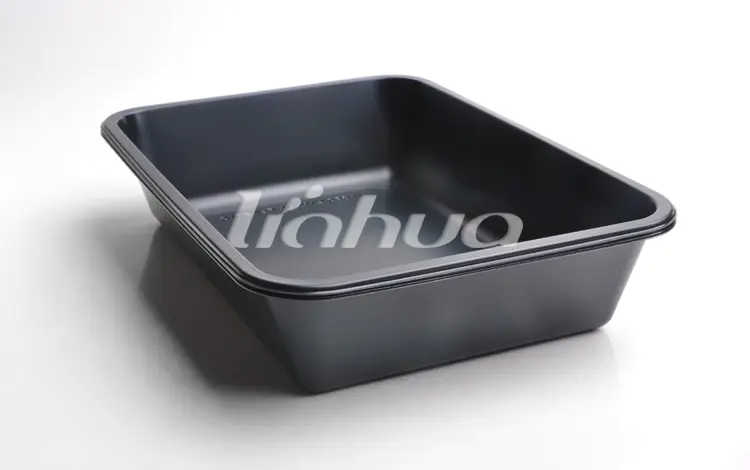 تولید کنندگان سینی مواد غذایی CPET یکبار مصرف پلاستیکی عمده فروشی به عنوان تولید کنندگان و تامین کنندگان پیشرو سینی CPET در چین، شرکت Ningbo Linhua Plastic Co.Ltd عمده فروشی سینی های غذای آماده پلاستیکی CPET است. دوباره گرم کن... مشاهده محصول →
 PET برنده آشکار در اپتیک است. انتقال نور آن به شیشه نزدیک می شود و به خریداران دیدی بدون مانع از محصول می دهد. این برای گوشتهای ترشیشده، دسرهای ممتاز، توتهای تازه و هر موردی که رنگ و بافت باعث خرید میشود، اهمیت دارد.
PP به طور طبیعی مه آلود است. می توان آن را با عوامل هسته زا روشن کرد، اما حتی در آن صورت هم با شفافیت PET مطابقت ندارد. برای محصولاتی که برای فروش به جای غذا به برچسب متکی هستند، PP مبهم به ندرت مشکل ساز است. برای محصولاتی که در یک جعبه یخچال نمایش داده می شوند، سینی های PET شفاف جلوه قوی تری ایجاد می کنند و اغلب از قیمت بالاتری پشتیبانی می کنند.
اکسیژن رنگ تازه گوشت را از بین می برد، اکسیداسیون لیپیدها را سرعت می بخشد و عمر مفید را کوتاه می کند. PET در اینجا یک مزیت معنی دار دارد، با انتقال اکسیژن تقریباً ده برابر کمتر از PP در ضخامت یکسان. به همین دلیل است که PET در بسته بندی های جوی اصلاح شده برای گوشت گاو، مرغ و گوشت خوک رایج است.
PP در سمت رطوبت مقاومت می کند. سرعت انتقال بخار آب آن کمتر است، بنابراین به خشک نگه داشتن محصولات خشک کمک می کند و از تراکم در داخل یک ظرف در بسته در هنگام نوسان دما جلوگیری می کند.
هنگامی که به محافظت از اکسیژن و رطوبت در یک سینی نیاز دارید، پاسخ به طور معمول ساختاری چند لایه با یک لایه EVOH است. EVOH را می توان به صورت همزمان در سینی های PP یا PET اکسترود کرد و این چیزی است که ماندگاری را از چند روز به هفته افزایش می دهد. سینی ها و فنجان های مانع EVOH زمانی که یک محصول چرخه های توزیع طولانی تر یا زنجیره های صادراتی را هدف قرار می دهد، یک گزینه عملی است.
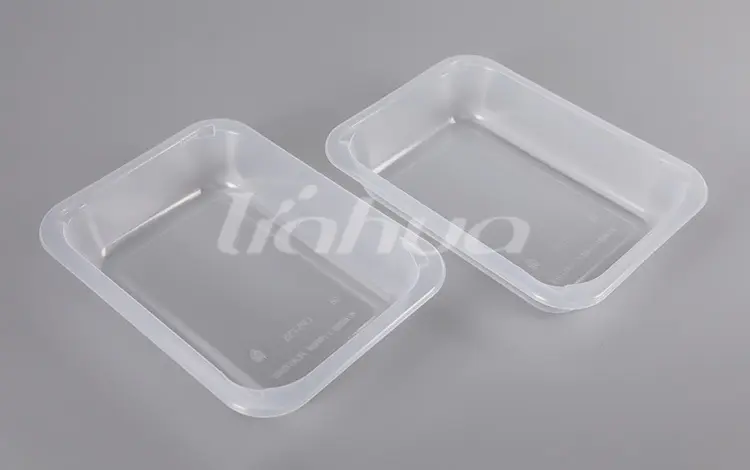 عرضه کنندگان سینی بسته بندی اتمسفر اصلاح شده (نقشه)، سینی های EVOH Ningbo Linhua Plastic Co., Ltd در ساخت سینی های بسته بندی نقشه تخصص دارد. سینی PP MAP با مانع بالا برای مواد غذایی تازه یا منجمد بهتر است... مشاهده محصول →
 جمع آوری مایعات یکی از سریع ترین راه ها برای از دست دادن حساب خرده فروشی است. گوشت گریه می کند، مرغ عرق می کند و حتی محصولات شسته شده آب آزاد می کند. سینی که نمی تواند آن مایع را مدیریت کند، بسته را خسته به نظر می رساند و به باکتری ها محیط دوستانه تری می دهد.
سینی های PET به طور گسترده برای گوشت تازه استفاده می شود زیرا مواد شفاف برش را نشان می دهد در حالی که یک پد جاذب در زیر آن قرار دارد. سختی PET باعث میشود سینی زیر کباب سنگین یا دستهای از سینههای مرغ خم نشود. سینی های نگهدارنده رطوبت یک چاه طرح دار یا لایه جاذب اضافه می کنند که قطره ها را از محصول دور می کند. برای پردازندههایی که به تعادل نمایش، استحکام و مدیریت رطوبت مبتنی بر پد نیاز دارند، سینیهای بستهبندی گوشت PET سفارشی با حفظ رطوبت مناسب هستند.
PP به طور متفاوتی رطوبت را کنترل می کند. به طور کلی مانع بخار آب بهتری است، اما یک سینی PP با یک پد هنوز هم می تواند به خوبی کار کند. عامل تعیین کننده معمولاً سفتی است. PP هنگامی که با برش های متراکم بارگذاری می شود خم می شود. PET شکل خود را حفظ می کند. برای یک محصول مرطوب سنگین، PET معمولا تماس ایمن تر است.
درایوهای وزنی به ازای هر هزار قطعه هزینه دارند. چگالی PP حدود 0.90 گرم بر سانتی متر مکعب است، در حالی که PET نزدیک به 1.38 گرم بر سانتی متر مکعب است. برای همان حجم سینی، یک قطعه PP تقریباً 30-35٪ رزین کمتری از نظر وزن مصرف می کند. این شکاف کاهش مییابد زیرا سینیهای PP اغلب به دیواره ضخیمتری برای دستیابی به سفتی نیاز دارند که PET در گیج نازکتر به دست میآورد، اما PP معمولاً مزیت قیمت قطعه را حفظ میکند.
مقایسههای پایداری تفاوتهای ظریفتری دارند. PET در بسیاری از کشورها جریان بازیافت خوبی دارد و PET درجه بطری به طور گسترده جمع آوری می شود. PP قابل بازیافت است اما زیرساخت جمع آوری کمتری دارد. ارزیابی چرخه عمر سینیها نشان میدهد که نتیجه به شدت به نرخ جمعآوری در پایان عمر، استفاده از محتوای بازیافتی و نحوه بازیافت سینی بستگی دارد. به طور کلی، یک سینی سبک تر که در واقع جمع آوری و بازیافت می شود، سینی سنگین تر را که واقعاً جمع آوری و بازیافت نمی کند، شکست می دهد.
روی این پنج سوال کار کنید و مطالب معمولا خودش را انتخاب می کند.
تست مرحله آخر است. یک دور کوتاه از هر دو ماده را ترموفرم کنید، آنها را از طریق خط پرکننده خود بگذرانید و آنها را در همان زنجیره سرد و شرایط پختی که مشتریان شما استفاده می کنند قرار دهید. ارزش داده های آن آزمایش بیشتر از هر برگه اطلاعاتی مادی است.
قانون سرانگشتی ساده است. زمانی که وضوح، سفتی و جذابیت بصری بیشتر اهمیت دارد از PET استفاده کنید. زمانی که مقاومت حرارتی، وزن سبک و هزینه تصمیم گیری می شود از PP استفاده کنید. زمانی که به قابلیت فر یا ماندگاری طولانی نیاز دارید از سینی چند لایه CPET یا EVOH استفاده کنید. و اگر محصول شما گوشت تازه است، در مورد مزایای سینی های PET در بسته بندی گوشت بخوانید قبل از برقراری تماس نهایی انتخابی که بر اساس شرایط واقعی خط انجام می شود، به جای عادت، انتخابی است که از تماس با یک استیک خیس و یک یخچال شلوغ جان سالم به در می برد.
بسته بندی خدمات مواد غذایی · راهنمای خریدار ظروف کوچک، سهام بزرگ: انتخاب ظروف کوچک سس که...
بسته بندی نوشیدنی · یادداشت فیلد خریدار فنجان های سازگار با محیط زیست برای نوشیدنی های س...

0086 574 87739122
Copyright © Ningbo Linhua Plastic Co., Ltd. All Rights Reserved.


اظهار نظر